The weight loss medication landscape experienced a seismic shift on September 1, 2025, when pharmaceutical giant Eli Lilly implemented one of the most dramatic price increases in UK healthcare history. Eli Lilly’s 170% Mounjaro price hike sent shockwaves through the medical community, leaving thousands of patients scrambling for alternatives and healthcare providers reassessing their treatment protocols. This unprecedented move has far-reaching implications that extend well beyond individual patient wallets, potentially reshaping the entire future of weight loss treatments in the UK and beyond.
Key Takeaways
- Eli Lilly’s 170% Mounjaro price hike affects all dosage levels, with the 15mg dose jumping from £122 to £330 per month • Lower doses experienced approximately 30% increases, while higher doses saw increases exceeding 100%
- NHS patients remain largely protected, but private patients face significant financial challenges
- Alternative treatments like Wegovy are becoming more attractive options for cost-conscious patients
- The price adjustment aligns UK costs with European markets and addresses supply chain concerns
Understanding the Scale of Eli Lilly’s 170% Mounjaro Price Hike
The magnitude of this price adjustment cannot be overstated. When examining Eli Lilly’s 170% Mounjaro price hike, the numbers paint a stark picture of the new reality facing patients seeking effective weight loss treatments.
Detailed Price Breakdown by Dosage
The price increases follow a graduated structure that disproportionately impacts patients requiring higher doses:
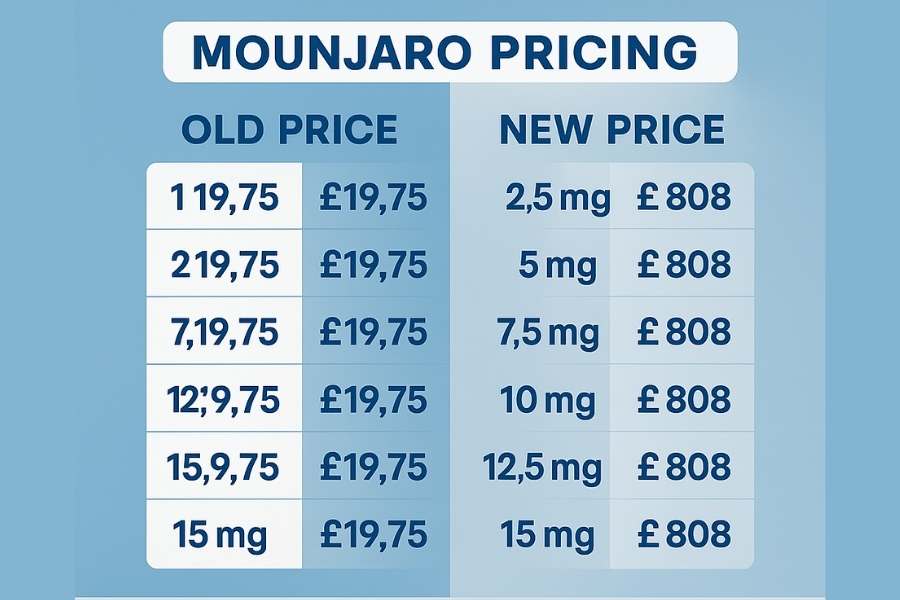
| Dosage | Previous Price | New Price | Increase | Percentage Change |
| 2.5mg | £92 | £133 | £41 | 45% |
| 5mg | £92 | £180 | £88 | 96% |
| 7.5mg | £92 | £220 | £128 | 139% |
| 10mg | £122 | £270 | £148 | 121% |
| 12.5mg | £122 | £300 | £178 | 146% |
| 15mg | £122 | £330 | £208 | 170% |
This pricing structure creates a particularly challenging situation for patients who have gradually increased their dosage to achieve optimal results. Those on the highest dose now face monthly costs that have nearly tripled, making continued treatment financially prohibitive for many.
The Financial Reality for Patients
For a patient on the maximum 15mg dose, the annual cost has jumped from approximately £1,464 to £3,960—an additional £2,496 per year. This represents a significant financial burden that many patients simply cannot absorb, forcing difficult decisions about continuing treatment.
The Driving Forces Behind Eli Lilly’s 170% Mounjaro Price Hike
Understanding the reasoning behind Eli Lilly’s 170% Mounjaro price hike requires examining multiple interconnected factors that influenced this decision.
Global Price Harmonization Strategy
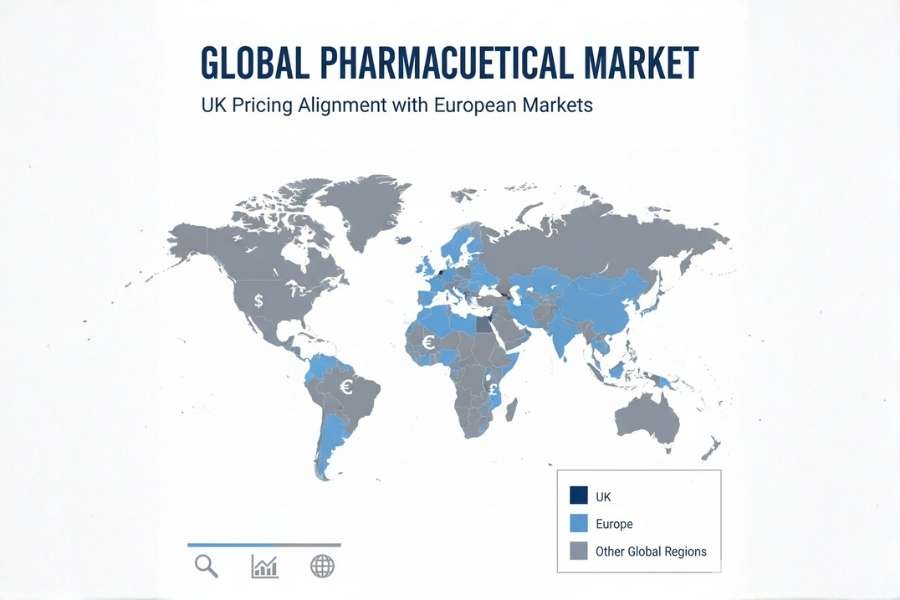
Eli Lilly’s primary justification centers on global price alignment. The company argued that UK prices were significantly below those in other European markets and developed countries, creating an unsustainable pricing disparity[1]. This harmonization strategy aims to:
- Ensure equitable contribution to research and development costs across markets
- Prevent market distortions that could impact global supply chains
- Align with standard pharmaceutical pricing practices in developed economies
Supply Chain Security Concerns
A critical factor driving Eli Lilly’s 170% Mounjaro price hike was the growing problem of medication arbitrage. The substantial price differences between the UK and other markets created incentives for:
- 🚫 Illegal exportation of UK-purchased Mounjaro to higher-priced markets
- Gray market trading that undermined legitimate distribution channels
- Supply shortages in the UK due to medications being diverted elsewhere
By raising UK prices closer to international levels, Eli Lilly aims to eliminate the profit margins that made such arbitrage attractive.
Research and Development Investment
The pharmaceutical industry requires substantial ongoing investment in research and development. Eli Lilly emphasized that fair pricing across markets ensures sustainable funding for:
- Clinical trials for new indications
- Improved formulations and delivery methods
- Next-generation weight loss treatments
- Long-term safety studies
Impact Analysis: Who’s Affected by Eli Lilly’s 170% Mounjaro Price Hike
The ramifications of Eli Lilly’s 170% Mounjaro price hike vary significantly across different patient populations and healthcare sectors.
Private Patients: The Primary Impact Zone
Private patients bear the full brunt of the price increase. This group includes:
- Individuals seeking weight loss treatment through private clinics
- Patients whose BMI doesn’t qualify for NHS coverage
- Those preferring private care for faster access or additional services
- International patients accessing UK healthcare services
For these patients, the choice often becomes stark: absorb the increased costs, switch to alternative treatments, or discontinue medication altogether.
NHS Patients: Relative Protection
NHS patients enjoy greater protection from Eli Lilly’s 170% Mounjaro price hike due to:
- Separate negotiated pricing agreements between Eli Lilly and NHS
- Government purchasing power that can secure better rates
- Patient Access Schemes that may offset some costs
- National health policy priorities that influence pricing negotiations
However, the increased private market prices may eventually pressure NHS pricing negotiations in future contract renewals.
Healthcare Providers: Operational Challenges
Private healthcare providers face significant operational adjustments following Eli Lilly’s 170% Mounjaro price hike:
- Revised treatment protocols to accommodate cost-conscious patients
- Enhanced counseling about alternative treatment options
- Updated financial planning for medication inventory
- Potential shifts in patient demographics and treatment preferences
Treatment Alternatives in the Wake of Eli Lilly’s 170% Mounjaro Price Hike
The dramatic price increase has accelerated interest in alternative weight loss treatments, fundamentally altering the competitive landscape.
Wegovy: The Primary Alternative
Wegovy (semaglutide) has emerged as the leading alternative for patients affected by Eli Lilly’s 170% Mounjaro price hike. Key considerations include:
Efficacy Comparison
- Mounjaro: Average weight loss of 21%
- Wegovy: Average weight loss of 15%
Mechanism of Action
- Mounjaro: Dual-action targeting GLP-1 and GIP receptors
- Wegovy: Single-action targeting only GLP-1 receptors
Cost Considerations
Many providers have reduced Wegovy pricing to offer a more attractive alternative, though costs remain substantial compared to traditional weight loss methods.
Emerging Alternatives: Retatrutide and Beyond
The price pressure has also increased interest in next-generation treatments currently in development:
Retatrutide represents a promising triple-action approach, targeting GLP-1, GIP, and glucagon receptors. Early studies suggest potentially superior efficacy compared to current options, though availability remains limited to research settings.
For those interested in comparing retatrutide with current options, the potential for even greater weight loss outcomes makes this an exciting development to monitor.
Traditional Approaches Gain Renewed Interest
Eli Lilly’s 170% Mounjaro price hike has also renewed interest in traditional weight loss approaches:
- Structured diet and exercise programs
- Behavioral therapy and counseling
- Surgical interventions for qualifying patients
- Combination approaches using multiple strategies
Success stories like Josie Gibson’s five-stone weight loss demonstrate that significant results remain achievable through dedicated lifestyle approaches.
Patient Transition Strategies Following Eli Lilly’s 170% Mounjaro Price Hike
Healthcare providers have developed comprehensive strategies to help patients navigate the aftermath of Eli Lilly’s 170% Mounjaro price hike.
Seamless Medication Switching
One of the most important developments is the ability to switch between GLP-1 medications without restarting treatment protocols. Patients can transition from Mounjaro to Wegovy without:
- Starting from the lowest dose
- Taking treatment breaks
- Losing progress made on their current regimen
Clinical teams can guide patients to appropriate alternative dosages based on their current Mounjaro treatment level, ensuring continuity of care and maintained efficacy.
Dose Optimization Strategies
Some patients are choosing to optimize their current Mounjaro dose rather than escalating to higher doses as originally planned. This approach involves:
- Maintaining current effective doses for longer periods
- Combining medication with enhanced lifestyle interventions
- Regular monitoring to ensure continued efficacy
- Gradual dose adjustments only when absolutely necessary
Financial Planning and Support
Healthcare providers are implementing enhanced financial counseling to help patients understand their options:
- Cost-benefit analysis of different treatment options
- Payment plan arrangements for continued treatment
- Insurance navigation to maximize coverage opportunities
- Alternative funding sources and patient assistance programs
The Broader Implications for Weight Loss Treatment Access

Eli Lilly’s 170% Mounjaro price hike raises fundamental questions about healthcare accessibility and the sustainability of innovative medical treatments.
Healthcare Equity Concerns
The price increase creates a two-tiered system where treatment access increasingly depends on financial resources rather than medical need. This raises concerns about:
- Socioeconomic disparities in access to effective treatments
- Long-term health outcomes for patients unable to afford continued treatment
- Public health implications of reduced access to obesity treatments
- Healthcare system sustainability as costs continue to rise
Innovation vs. Accessibility Balance
The pharmaceutical industry faces an ongoing challenge in balancing innovation incentives with patient accessibility. Eli Lilly’s 170% Mounjaro price hike highlights this tension:
Innovation Benefits
- Funds research for next-generation treatments
- Supports clinical trials for new indications
- Enables development of improved formulations
- Maintains competitiveness in global markets
Accessibility Challenges
- Reduces patient access to proven treatments
- Creates financial barriers for continued care
- Limits treatment options for cost-conscious patients
- Potentially undermines public health objectives
Market Response and Competitive Dynamics
Eli Lilly’s 170% Mounjaro price hike has triggered significant shifts in the competitive landscape of weight loss treatments.
Competitor Positioning
Other pharmaceutical companies are reassessing their pricing strategies in light of Mounjaro’s price increase:
- Novo Nordisk (Wegovy manufacturer) may adjust pricing to capture displaced Mounjaro patients
- Generic alternatives become more attractive as branded options increase in price
- Biosimilar developers see increased market opportunities
- Alternative treatment modalities gain competitive advantages
Market Consolidation Trends
The price increase may accelerate market consolidation as:
- Smaller providers struggle with higher medication costs
- Large healthcare systems gain purchasing power advantages
- Patient volumes shift toward cost-effective providers
- Treatment protocols standardize around affordable options
Innovation Acceleration
Paradoxically, Eli Lilly’s 170% Mounjaro price hike may accelerate innovation by:
- Creating market opportunities for more affordable alternatives
- Incentivizing development of novel treatment approaches
- Encouraging combination therapies that optimize cost-effectiveness
- Driving research into multi-target approaches like retatrutide
Celebrity Weight Loss Success Stories: Alternatives to Expensive Medications
The increased cost of Mounjaro has renewed interest in how celebrities have achieved significant weight loss through various methods, demonstrating that multiple pathways to success exist.
Non-Medication Success Stories
Several high-profile individuals have achieved remarkable weight loss without relying solely on expensive medications:
Ricky Gervais famously lost 80 pounds through dedicated lifestyle changes, proving that traditional approaches can yield dramatic results with proper commitment and support.
Gemma Collins has documented her weight loss journey using a combination of approaches, showing how personalized strategies can be effective regardless of medication access.
James Corden has been open about his weight loss methods, providing insights into sustainable approaches that don’t rely on expensive pharmaceuticals.
Comprehensive Lifestyle Approaches
Adele’s transformation represents one of the most inspiring examples of comprehensive lifestyle change, demonstrating that dramatic results are possible through dedicated effort and proper support systems.
These success stories provide hope and practical examples for patients who may need to explore alternatives due to Eli Lilly’s 170% Mounjaro price hike.
Understanding GLP-1 and Multi-Target Approaches

As patients evaluate alternatives following Eli Lilly’s 170% Mounjaro price hike, understanding the science behind these treatments becomes crucial.
The Science Behind Current Treatments
GLP-1, GIP, and glucagon receptor targeting represents the cutting edge of metabolic medicine. While Mounjaro’s dual-action approach has proven highly effective, the cost increase has patients seeking to understand:
- How different mechanisms affect weight loss outcomes
- Whether single-target treatments can provide adequate results
- What future treatments might offer better value propositions
- How to optimize current treatments for maximum benefit
Overcoming Treatment Plateaus
For patients continuing with Mounjaro despite the price increase, understanding how to overcome weight loss plateaus becomes even more critical to maximize treatment value.
Future Outlook: What Eli Lilly’s 170% Mounjaro Price Hike Means for Healthcare
The long-term implications of Eli Lilly’s 170% Mounjaro price hike extend far beyond immediate patient impacts, potentially reshaping healthcare delivery and pharmaceutical development.
Policy Response Expectations
Government and regulatory responses to Eli Lilly’s 170% Mounjaro price hike may include:
Pricing Regulation Initiatives
- Enhanced price monitoring and reporting requirements
- Negotiated pricing agreements for high-impact medications
- Value-based pricing models tied to patient outcomes
- International price comparison frameworks
Access Protection Measures
- Expanded patient assistance programs
- Enhanced NHS coverage criteria
- Alternative funding mechanisms for innovative treatments
- Support for biosimilar development and approval
Healthcare System Adaptations
Healthcare systems are adapting to the new reality created by Eli Lilly’s 170% Mounjaro price hike:
Treatment Protocol Evolution
- Enhanced cost-effectiveness analysis in treatment selection
- Improved patient counseling about treatment options and costs
- Development of alternative treatment pathways
- Integration of traditional and pharmaceutical approaches
Provider Business Model Changes
- Revised pricing structures for comprehensive weight management
- Enhanced focus on lifestyle intervention programs
- Partnership development with pharmaceutical companies
- Alternative revenue models for sustainable care delivery
Technology and Innovation Responses
Eli Lilly’s 170% Mounjaro price hike is accelerating technological innovations in weight management:
Digital Health Solutions
- AI-powered treatment optimization platforms
- Telemedicine solutions for ongoing monitoring
- Mobile applications for lifestyle intervention support
- Data analytics for personalized treatment approaches
Alternative Delivery Methods
- Extended-release formulations to reduce dosing frequency
- Combination therapies to optimize cost-effectiveness
- Novel delivery mechanisms to improve patient experience
- Biosimilar development for increased market competition
Global Implications and International Perspectives
Eli Lilly’s 170% Mounjaro price hike in the UK has implications that extend well beyond British borders, potentially influencing global pharmaceutical pricing strategies.
International Market Responses
Other countries are closely monitoring the UK situation to understand:
- How price harmonization affects local healthcare systems
- Whether similar increases might be implemented in their markets
- What alternative strategies might protect patient access
- How to balance innovation incentives with accessibility needs
Regulatory Harmonization Trends
The move toward global price alignment represented by Eli Lilly’s 170% Mounjaro price hike may signal broader industry trends:
- Reduced price arbitrage opportunities across markets
- Enhanced coordination between international regulatory bodies
- Standardized value assessment frameworks
- Improved global supply chain security
Emerging Market Considerations
Developing countries face particular challenges from global price harmonization:
- Limited ability to absorb higher medication costs
- Reduced access to innovative treatments
- Potential for increased health inequality
- Need for alternative funding mechanisms and support
Patient Advocacy and Support Resources

In response to Eli Lilly’s 170% Mounjaro price hike, patient advocacy organizations and support groups have mobilized to help affected individuals.
Advocacy Organization Responses
Patient advocacy groups are addressing Eli Lilly’s 170% Mounjaro price hike through:
- Policy advocacy for enhanced price regulation and transparency
- Patient education about alternative treatment options
- Support group facilitation for individuals navigating treatment changes
- Healthcare provider liaison to ensure optimal patient care continuity
Financial Support Resources
Various organizations are developing financial assistance programs to help patients affected by the price increase:
Pharmaceutical Company Programs
- Enhanced patient assistance programs with expanded eligibility
- Temporary pricing support for existing patients
- Graduated pricing structures based on financial need
- Partnership programs with healthcare providers
Non-Profit Support
- Grant programs for medication access
- Educational resources about treatment alternatives
- Advocacy for policy changes to improve accessibility
- Community support networks for patients facing treatment transitions
Online Communities and Support
Digital support communities have become increasingly important for patients navigating Eli Lilly’s 170% Mounjaro price hike:
- Online forums for sharing experiences and strategies
- Social media groups focused on alternative treatment approaches
- Telemedicine platforms offering affordable consultation options
- Educational webinars about treatment options and financial planning
Research and Development: The Path Forward
Eli Lilly’s 170% Mounjaro price hike has intensified focus on research and development efforts aimed at creating more accessible and effective weight loss treatments.
Next-Generation Treatment Development
The pharmaceutical industry is accelerating development of next-generation treatments that could offer:
Enhanced Efficacy
- Multi-target approaches combining multiple hormone pathways
- Personalized medicine approaches based on genetic profiles
- Combination therapies optimizing different mechanisms
- Extended-release formulations reducing dosing frequency
Improved Accessibility
- More cost-effective manufacturing processes
- Simplified delivery mechanisms
- Reduced side effect profiles
- Broader patient eligibility criteria
Alternative Therapeutic Approaches
Research is expanding beyond traditional pharmaceutical approaches:
Biological Interventions
- Gene therapy approaches for metabolic regulation
- Microbiome-based treatments for weight management
- Stem cell therapies for metabolic health
- Immunotherapy approaches targeting obesity mechanisms
Technology-Enhanced Treatments
- Digital therapeutics for behavioral modification
- AI-powered personalized intervention programs
- Wearable technology integration for continuous monitoring
- Virtual reality applications for lifestyle intervention support
Collaborative Research Initiatives
Eli Lilly’s 170% Mounjaro price hike has sparked increased collaboration between:
- Academic research institutions and pharmaceutical companies
- Government agencies and private sector developers
- International research consortiums
- Patient advocacy groups and clinical researchers
Economic Analysis: The True Cost of Eli Lilly’s 170% Mounjaro Price Hike
Understanding the full economic implications of Eli Lilly’s 170% Mounjaro price hike requires examining costs beyond the immediate medication price.
Healthcare System Cost Implications
The price increase creates ripple effects throughout the healthcare system:
Direct Cost Impacts
- Increased medication spending for private healthcare providers
- Enhanced financial counseling and support service requirements
- Additional administrative costs for managing treatment transitions
- Expanded patient assistance program administration
Indirect Cost Considerations
- Potential increase in obesity-related complications from discontinued treatment
- Enhanced demand for alternative treatment modalities
- Increased healthcare utilization for treatment transition management
- Long-term costs of suboptimal weight management outcomes
Patient Financial Impact Analysis
For individual patients, Eli Lilly’s 170% Mounjaro price hike creates comprehensive financial challenges:
Immediate Financial Burden
- Substantially increased monthly medication costs
- Potential need for enhanced insurance coverage
- Additional healthcare consultation costs for treatment transitions
- Financial planning and counseling service expenses
Long-Term Financial Implications
- Potential health complications from discontinued effective treatment
- Increased healthcare costs from alternative, potentially less effective treatments
- Lost productivity from health-related issues
- Opportunity costs of redirected healthcare spending
Economic Modeling and Projections
Healthcare economists are developing predictive models to understand the long-term implications of Eli Lilly’s 170% Mounjaro price hike:
Market Response Predictions
- Patient migration patterns to alternative treatments
- Healthcare provider adaptation strategies and timelines
- Pharmaceutical industry competitive responses
- Government policy intervention likelihood and timing
Public Health Cost Projections
- Population-level health outcome changes from reduced access
- Healthcare system capacity implications
- Economic productivity impacts from obesity treatment access changes
- Long-term sustainability of current pharmaceutical pricing models
Navigating the New Landscape After Eli Lilly’s 170% Mounjaro Price Hike
Eli Lilly’s 170% Mounjaro price hike represents a watershed moment in the evolution of weight loss treatment accessibility and pharmaceutical pricing. This dramatic increase—with the highest dose jumping from £122 to £330 monthly—has fundamentally altered the treatment landscape for thousands of patients across the UK.
The implications extend far beyond individual patient costs. This price adjustment signals a broader shift toward global pharmaceutical pricing harmonization, potentially setting precedents for other innovative treatments. While Eli Lilly’s justifications around supply chain security and fair global contribution to R&D costs have merit, the practical impact on patient access cannot be overlooked.
Key Actionable Steps for Patients
For current Mounjaro patients:
- Consult with healthcare providers about alternative options like Wegovy
- Explore dose optimization strategies to maximize current treatment value
- Investigate patient assistance programs and financial support options
- Consider combination approaches integrating lifestyle interventions
For those considering weight loss treatment:
- Evaluate the full range of available options, including emerging treatments like retatrutide
- Learn from successful non-medication approaches demonstrated by celebrities and public figures
- Understand the science behind different receptor targeting approaches
- Develop comprehensive treatment plans that don’t rely solely on expensive medications
Healthcare System Adaptations
The healthcare system is adapting through enhanced treatment protocols, improved patient counseling, and development of alternative pathways. Providers are working to ensure that Eli Lilly’s 170% Mounjaro price hike doesn’t create insurmountable barriers to effective weight management.
Looking Forward
While Eli Lilly’s 170% Mounjaro price hike presents immediate challenges, it may ultimately accelerate innovation in more accessible and cost-effective treatments. The pharmaceutical industry faces increased pressure to develop solutions that balance innovation incentives with patient accessibility.
The future of weight loss treatment will likely involve diversified approaches combining pharmaceutical innovations, lifestyle interventions, digital health solutions, and personalized medicine. Patients who remain flexible and work closely with healthcare providers will be best positioned to navigate this evolving landscape successfully.
Eli Lilly’s 170% Mounjaro price hike serves as a reminder that sustainable healthcare requires balancing innovation, accessibility, and economic reality. While the immediate impact is challenging, the long-term response may lead to more equitable and effective approaches to weight management for all patients.