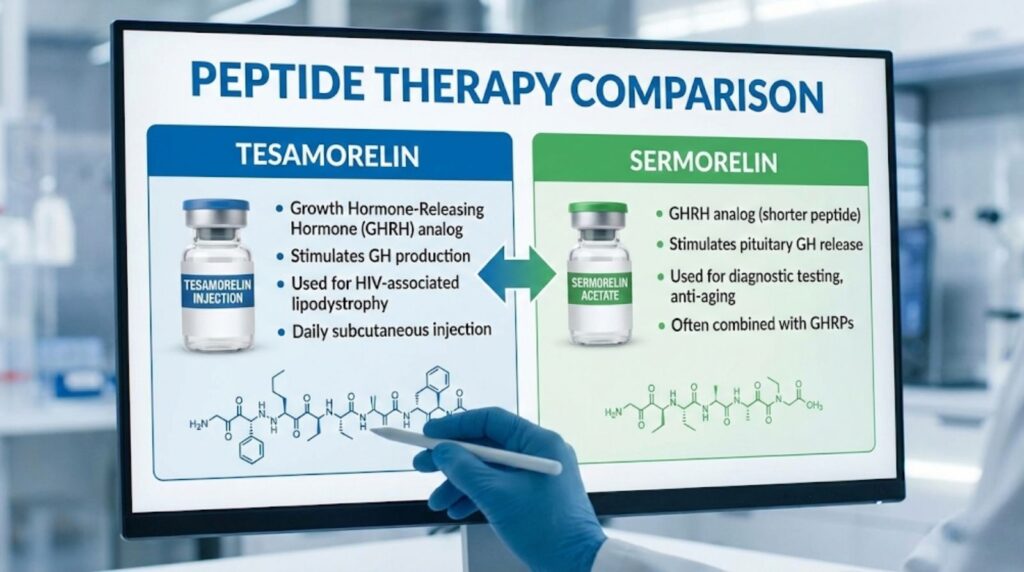
When it comes to optimizing growth hormone levels and transforming body composition, two peptides stand at the forefront of modern therapeutic intervention: Tesamorelin and Sermorelin. These synthetic growth hormone-releasing hormone (GHRH) analogs have revolutionized how researchers and clinicians approach metabolic health, fat reduction, and hormone optimization – but choosing between them can feel overwhelming without proper guidance.
Key Takeaways
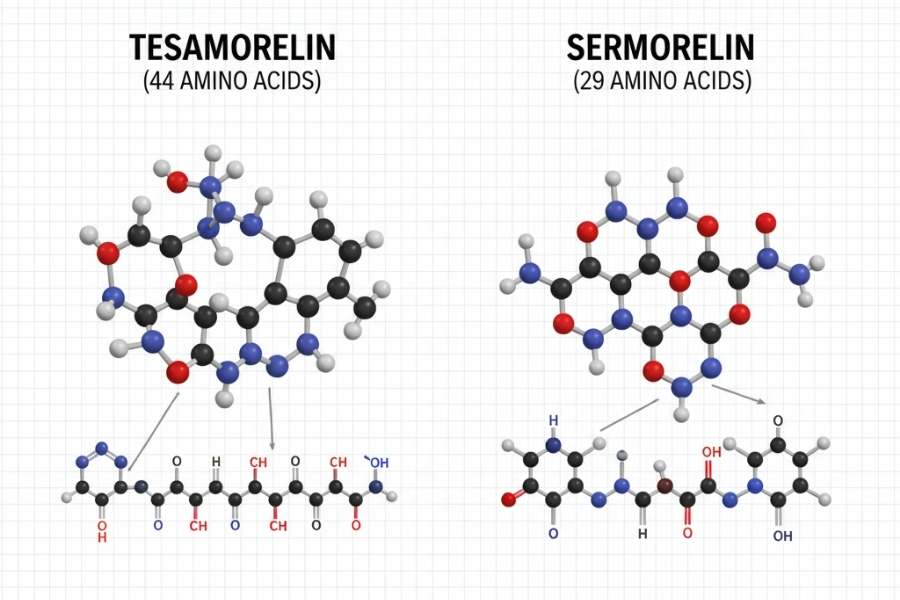
- Tesamorelin is a more potent 44-amino acid peptide FDA-approved for visceral fat reduction, particularly in HIV-associated lipodystrophy, with clinical studies showing 15-20% visceral fat reduction in six months
- Sermorelin is a gentler 29-amino acid peptide that mimics natural GHRH, ideal for long-term anti-aging and hormone optimization with fewer side effects
- Cost differences are significant: Tesamorelin ranges from $1,500-2,500 monthly while Sermorelin costs $300-800 monthly
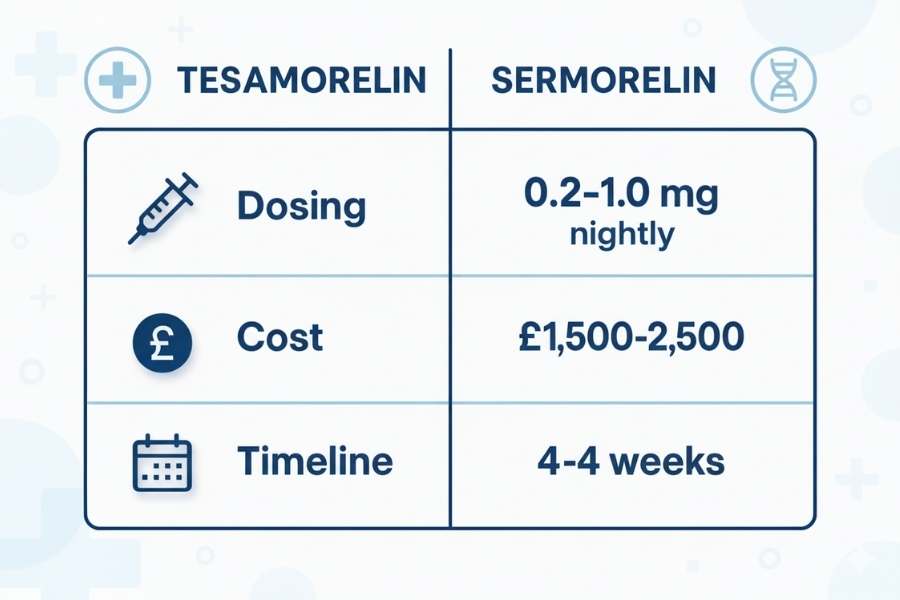
- Administration protocols differ: Tesamorelin requires daily morning injections (2mg) while Sermorelin is taken nightly (0.2-1.0mg) five days weekly
- Clinical applications vary: Choose Tesamorelin for aggressive visceral fat reduction and metabolic correction, Sermorelin for gradual wellness optimization and natural hormone support.
Understanding Growth Hormone Peptides: The Foundation
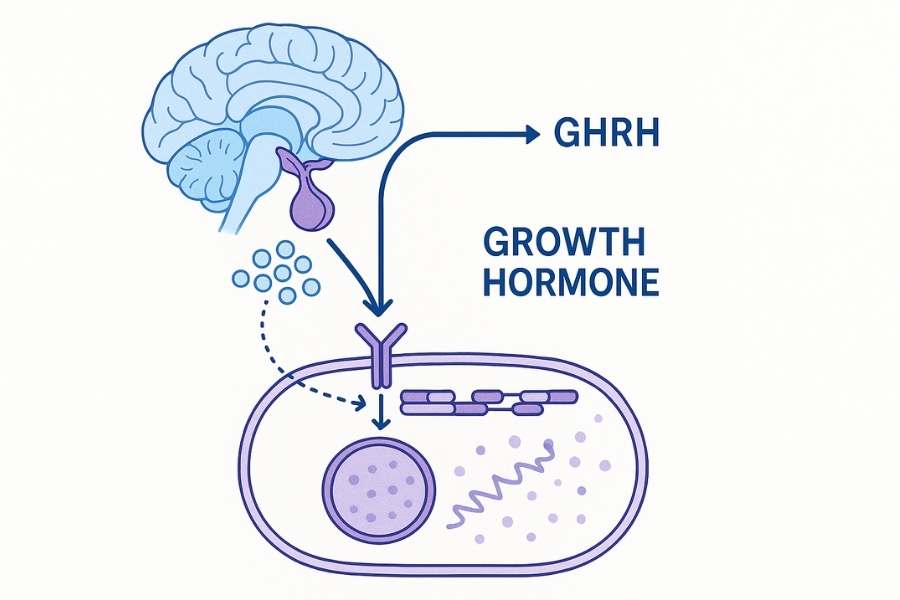
Growth hormone peptides represent a revolutionary approach to hormone optimization and metabolic health. Unlike direct growth hormone injections, these synthetic analogs work by stimulating the body’s natural production of growth hormone through the pituitary gland [1]. This approach maintains physiological feedback loops while providing therapeutic benefits.
Both Tesamorelin and Sermorelin function as growth hormone-releasing hormone (GHRH) analogs, but their molecular differences create distinct therapeutic profiles. Understanding these differences is crucial for making an informed decision about which peptide aligns with your health goals.
The growing interest in peptide therapies reflects their potential for targeted therapeutic effects with fewer systemic side effects compared to traditional hormone replacement approaches. For those exploring advanced weight management strategies, these peptides offer unique advantages that complement other therapeutic interventions, much like how retatrutide represents a breakthrough in weight loss treatments.
Tesamorelin: The Precision Fat-Reduction Peptide
Molecular Structure and Mechanism 🧬
Tesamorelin stands out with its sophisticated 44-amino acid structure, making it significantly larger and more stable than its counterpart. This enhanced molecular design provides several key advantages:
- Enhanced stability in circulation, lasting longer in the bloodstream
- Improved binding affinity to GHRH receptors for stronger activation
- Greater resistance to enzymatic degradation
- Sustained therapeutic effects with consistent daily dosing
The larger structure allows Tesamorelin to bind more strongly to growth hormone-releasing hormone receptors, producing higher and more sustained growth hormone and IGF-1 levels compared to Sermorelin [6].
Clinical Applications and FDA Approval ✅
Tesamorelin holds FDA approval specifically for reducing visceral fat in patients with HIV-associated lipodystrophy, a condition characterized by abnormal fat distribution [4]. This approval came after rigorous clinical trials demonstrating remarkable efficacy.
Primary Clinical Benefits:
- Visceral fat reduction: 15-20% reduction in visceral adipose tissue (VAT) over six months
- Improved lipid profiles: Better cholesterol and triglyceride levels
- Enhanced glucose metabolism: Improved insulin sensitivity
- Reduced inflammatory markers: Lower systemic inflammation
- Liver function benefits: Improved hepatic health markers
The landmark study by Falutz et al., published in the New England Journal of Medicine (2010), established Tesamorelin’s clinical efficacy for reducing abdominal fat accumulation [2]. This study remains the gold standard for understanding Tesamorelin’s therapeutic potential.
Dosing Protocol and Administration 💉
Tesamorelin follows a straightforward dosing protocol:
- Standard dose: 2mg per day
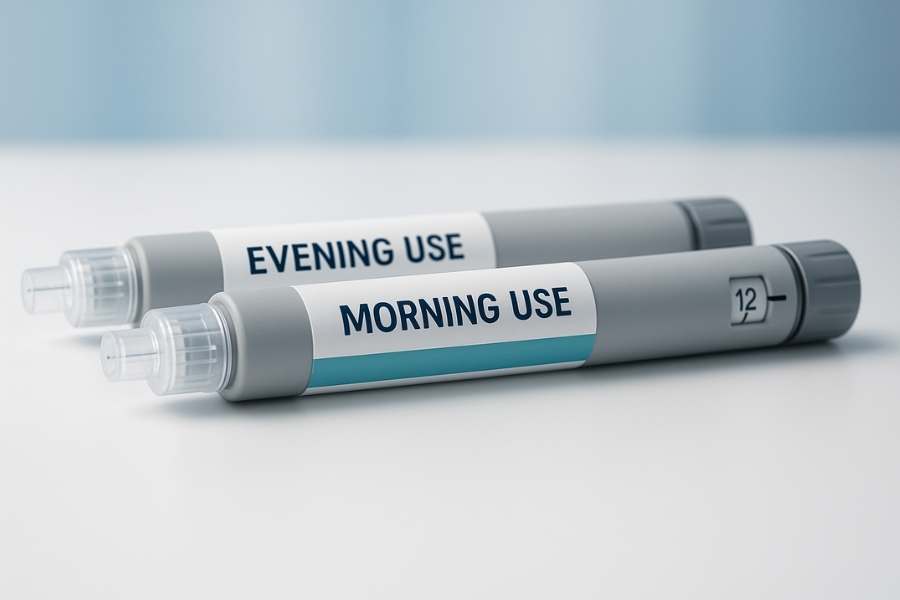
- Administration timing: Morning injection (subcutaneous)
- Frequency: Daily, without cycling
- Results timeline: Observable effects within 2-4 weeks
The morning administration aligns with natural cortisol rhythms and helps optimize the peptide’s fat-reduction effects throughout the day.
Side Effect Profile and Monitoring Requirements ⚠️
While generally well-tolerated, Tesamorelin’s potency can produce more pronounced side effects compared to gentler alternatives:
Common Side Effects:
- Water retention and mild edema
- Joint discomfort or stiffness
- Injection site reactions
- Potential for elevated blood sugar levels
- Insulin resistance in predisposed individuals
Monitoring Requirements:
- Regular glucose monitoring, especially in diabetic patients
- Periodic assessment of IGF-1 levels
- Cardiovascular health evaluation
- Liver function tests
The potential for insulin resistance requires particular attention in patients with pre-existing glucose metabolism concerns [2].
Sermorelin: The Natural Hormone Optimizer
Molecular Structure and Physiological Mimicry 🌿
Sermorelin consists of 29 amino acids, representing the active fragment of natural GHRH. This smaller, more natural structure offers distinct advantages:
- Closer mimicry of the body’s natural hormone
- Preservation of physiological feedback loops
- Support for natural pulsatile hormone release
- Gentle stimulation of endogenous growth hormone production
Sermorelin works by gently prompting the pituitary to release growth hormone in natural pulses, maintaining the body’s inherent rhythm rather than forcing sustained elevation [6].
Therapeutic Applications and Benefits 🎯
While Sermorelin lacks specific FDA approval for fat reduction, it serves broader applications in hormone replacement therapy and wellness optimization:
Primary Applications:
- Anti-aging support for adults experiencing age-related hormone decline
- Athletic performance enhancement and recovery
- Metabolic support for individuals with growth hormone deficiency
- Sleep quality improvement and energy optimization
Clinical Benefits:
- Gradual improvement of growth hormone levels
- Natural enhancement of IGF-1 production
- Support for healthy sleep patterns
- Management of age-related hormone decline
- Moderate fat loss effects over time
- Improved muscle recovery and development
Dosing Flexibility and Natural Timing 🕘
Sermorelin offers more flexible dosing options compared to Tesamorelin:
- Dose range: 0.2-1.0mg per injection
- Administration timing: Nighttime (before bed)
- Frequency: 5 days per week (allowing 2 rest days)
- Cycling options: Some protocols include periodic breaks
The nighttime administration aligns with the body’s natural circadian rhythm of growth hormone secretion, typically occurring during deep sleep phases.
Safety Profile and Long-term Use 🛡️
Sermorelin’s gentle approach translates to an excellent safety profile:
Minimal Side Effects:
- Rare injection site irritation
- Occasional mild headaches
- Infrequent nausea (usually temporary)
- Very low risk of metabolic disruption
Long-term Safety Advantages:
- Works synergistically with natural hormone systems
- Lower risk of insulin resistance
- Minimal impact on glucose metabolism
- Generally considered safer for extended use
The mild side effect profile makes Sermorelin particularly appealing for individuals seeking long-term hormone optimization without significant health risks [2].
Head-to-Head Comparison: Making the Right Choice
Potency and Efficacy Differences 💪
| Aspect | Tesamorelin | Sermorelin |
| Growth Hormone Stimulation | High-intensity, sustained elevation | Gentle, pulsatile stimulation |
| IGF-1 Increase | Significant, rapid elevation | Moderate, gradual increase |
| Fat Loss Efficacy | 15-20% visceral fat reduction | Moderate fat loss over time |
| Metabolic Impact | Pronounced metabolic changes | Subtle metabolic improvements |
| Onset of Effects | 2-4 weeks | 4-8 weeks |
Cost Analysis and Accessibility 💰
The financial difference between these peptides represents a significant practical consideration:
Tesamorelin Costs:
- Monthly expense: £1,500-2,500 ($1,500-2,500)
- Annual cost: £18,000-30,000 ($18,000-30,000)
- Insurance coverage: Limited, primarily for HIV-associated lipodystrophy
- Accessibility: Often requires specialty pharmacy
Sermorelin Costs:
- Monthly expense: £300-800 ($300-800)
- Annual cost: £3,600-9,600 ($3,600-9,600)
- Insurance coverage: Variable, sometimes covered for growth hormone deficiency
- Accessibility: Widely available through peptide clinics
The substantial cost difference makes Sermorelin accessible to a broader range of individuals seeking hormone optimization, while Tesamorelin’s higher cost reflects its specialized clinical applications and more complex molecular structure.
Clinical Evidence and Research Support 📊
Tesamorelin Research:
- Extensive clinical trials for HIV-associated lipodystrophy
- Published studies in high-impact medical journals
- FDA approval based on rigorous safety and efficacy data
- Ongoing research for metabolic syndrome applications
Sermorelin Research:
- Long history of use in growth hormone deficiency treatment
- Substantial real-world evidence for safety and tolerability
- Growing body of research in anti-aging applications
- Extensive clinical experience in hormone replacement protocols
While Tesamorelin benefits from more targeted clinical research, Sermorelin’s decades of clinical use provide valuable long-term safety data.
Choosing the Right Peptide: Decision Framework
When Tesamorelin is the Optimal Choice
Primary Candidates:
- Individuals with HIV-associated lipodystrophy requiring clinical intervention
- Patients seeking aggressive visceral fat reduction with measurable results
- Those with significant metabolic dysfunction requiring therapeutic correction
- Individuals who can manage higher treatment costs for targeted outcomes
- Patients needing rapid, observable results within weeks
Specific Clinical Scenarios:
- Visceral adipose tissue accumulation affecting health outcomes
- Metabolic syndrome with insulin resistance components
- Clinical lipodystrophy requiring medical intervention
- Research participation requiring standardized protocols
The success stories of individuals achieving significant body composition changes mirror the transformative results seen in other advanced weight management approaches, similar to how celebrities like Josie Gibson have achieved remarkable transformations through dedicated health interventions.
When Sermorelin is the Preferred Option 🌟
Ideal Candidates:
- Adults seeking long-term anti-aging and wellness optimization
- Individuals prioritizing natural hormone support with minimal side effects
- Those requiring affordable peptide therapy options
- Patients preferring gradual health improvements over rapid changes
- Individuals planning extended therapy duration with safety as priority
Optimal Applications:
- Age-related growth hormone decline (typically 30+ years)
- Athletic performance and recovery enhancement
- Sleep quality and energy optimization
- General wellness and vitality improvement
- Preventive health and longevity protocols
Combination Approaches and Advanced Protocols
Some advanced protocols incorporate sequential or combination approaches:
Sequential Protocol:
- Initial phase: Tesamorelin for 3-6 months (aggressive fat reduction)
- Maintenance phase: Transition to Sermorelin for long-term optimization
Alternating Protocol:
- Tesamorelin cycles for specific body composition goals
- Sermorelin maintenance between intensive cycles
Combination Considerations:
- Requires careful medical supervision
- Higher cost and complexity
- Potential for enhanced benefits in appropriate candidates
Integration with Modern Weight Management Strategies
Peptide Therapy in Comprehensive Health Plans 🏥
Modern peptide therapy often integrates with broader health optimization strategies. The emergence of advanced treatments like retatrutide, which targets multiple hormone pathways, demonstrates how peptide science continues evolving to address complex metabolic challenges.
Complementary Approaches:
- Nutritional optimization: Targeted dietary strategies supporting peptide efficacy
- Exercise protocols: Resistance training and cardiovascular exercise enhancing results
- Sleep optimization: Crucial for maximizing growth hormone benefits
- Stress management: Cortisol control supporting peptide effectiveness
Learning from Success Stories 📈
The peptide therapy field benefits from numerous success stories across different demographics. From Ricky Gervais’s 80-pound weight loss journey to Gemma Collins’s transformation, we see how dedicated approaches to health optimization can yield remarkable results.
These success stories highlight the importance of:
- Consistent application of chosen protocols
- Professional medical guidance throughout the process
- Realistic expectations aligned with peptide capabilities
- Comprehensive lifestyle modifications supporting treatment
Advanced Considerations and Future Developments
Emerging Research and Applications 🔬
The peptide therapy landscape continues evolving with exciting developments:
Current Research Focus:
- Enhanced peptide stability and bioavailability
- Combination therapies targeting multiple pathways
- Personalized dosing based on genetic factors
- Novel delivery methods improving convenience
Future Applications:
- Neurodegenerative disease prevention
- Cardiovascular health optimization
- Cognitive enhancement protocols
- Longevity and healthspan extension
The integration of growth hormone peptides with other advanced therapies, such as GLP-1, GIP, and glucagon receptor agonists, represents the future of personalized metabolic medicine.
Regulatory Landscape and Quality Considerations ⚖️
Regulatory Status:
- Tesamorelin: FDA-approved for specific indication
- Sermorelin: Available through compounding pharmacies
- Quality standards: Importance of pharmaceutical-grade sources
- Legal considerations: Prescription requirements and medical supervision
Quality Assurance:
- Third-party testing for purity and potency
- Proper storage and handling requirements
- Reputable supplier selection
- Medical oversight ensuring safety
Personalization and Biomarker Monitoring 📊
Essential Biomarkers:
- IGF-1 levels: Primary marker of growth hormone activity
- Glucose metabolism: Fasting glucose, HbA1c, insulin levels
- Lipid profiles: Cholesterol, triglycerides, inflammatory markers
- Body composition: DEXA scans, visceral fat measurements
Monitoring Schedule:
- Baseline: Comprehensive assessment before starting therapy
- 4-6 weeks: Initial response evaluation
- 3 months: Efficacy and safety review
- 6 months: Comprehensive reassessment and protocol adjustment
Overcoming Common Challenges and Plateaus
Managing Treatment Plateaus 📈
Like other weight management interventions, peptide therapy can experience plateaus. Understanding how to navigate these challenges, similar to addressing weight loss plateaus with other medications, ensures continued progress toward health goals.
Plateau Management Strategies:
- Dosage optimization: Working with healthcare providers to adjust protocols
- Lifestyle modifications: Enhancing diet and exercise components
- Combination approaches: Integrating complementary therapies
- Cycling protocols: Strategic breaks and resumption of treatment
Side Effect Management and Mitigation 🛠️
Proactive Strategies:
- Gradual dose escalation: Starting with lower doses and increasing gradually
- Injection technique: Proper administration reducing site reactions
- Hydration optimization: Managing water retention effects
- Glucose monitoring: Early detection of metabolic changes
When to Seek Medical Attention:
- Persistent or worsening side effects
- Signs of glucose intolerance or diabetes
- Unusual swelling or joint pain
- Any concerning symptoms requiring evaluation
Cost-Benefit Analysis and Financial Planning
Long-term Financial Considerations 💡
Tesamorelin Financial Planning:
- Initial investment: £1,500-2,500 monthly
- Typical duration: 6-12 months for primary goals
- Total investment: £9,000-30,000 for complete protocol
- Value proposition: Rapid, clinically validated results
Sermorelin Financial Planning:
- Monthly investment: £300-800
- Typical duration: 12-24 months or ongoing
- Annual investment: £3,600-9,600
- Value proposition: Sustainable, long-term optimization
Insurance and Healthcare Savings 🏥
Potential Healthcare Savings:
- Reduced risk of metabolic syndrome complications
- Improved cardiovascular health markers
- Enhanced quality of life and productivity
- Potential reduction in future medical interventions
Insurance Considerations:
- Coverage varies by indication and provider
- Documentation requirements for medical necessity
- Prior authorization processes
- Appeal strategies for denied claims
Implementation: Getting Started Safely
Finding Qualified Healthcare Providers 👨⚕️
Provider Qualifications:
- Medical licensing: Board-certified physicians
- Peptide experience: Specific training in hormone optimization
- Monitoring capabilities: Comprehensive lab testing access
- Safety protocols: Established adverse event management
Questions for Potential Providers:
- Experience with specific peptides and protocols
- Monitoring and safety procedures
- Cost transparency and payment options
- Emergency contact and support availability
Preparation and Baseline Assessment 📋
Pre-treatment Requirements:
- Comprehensive medical history: Including current medications and conditions
- Physical examination: Baseline health assessment
- Laboratory testing: Hormone levels, metabolic markers, safety parameters
- Goal setting: Clear, measurable objectives
Contraindications and Precautions:
- Active malignancy or cancer history
- Uncontrolled diabetes or severe insulin resistance
- Pregnancy or breastfeeding
- Severe cardiovascular disease
Real-World Applications and Case Studies
Clinical Success Patterns 📊
Tesamorelin Success Profiles:
- HIV lipodystrophy patients: 70-80% achieve significant visceral fat reduction
- Metabolic syndrome cases: Improved insulin sensitivity in 60-70% of patients
- Research participants: Consistent 15-20% VAT reduction across studies
Sermorelin Success Profiles:
- Anti-aging applications: 80-90% report improved energy and sleep
- Athletic performance: Enhanced recovery in 70-80% of users
- Long-term users: Sustained benefits with minimal side effects
Comparative Effectiveness in Different Populations 👥
Age Considerations:
- Younger adults (20-40): Sermorelin often preferred for optimization
- Middle-aged (40-60): Both peptides effective, choice depends on goals
- Older adults (60+): Sermorelin generally safer for long-term use
Gender Differences:
- Men: Often respond well to either peptide for body composition
- Women: May prefer Sermorelin’s gentler approach, especially post-menopause
Health Status Impact:
- Healthy individuals: Sermorelin for prevention and optimization
- Metabolic dysfunction: Tesamorelin for therapeutic intervention
- Athletes: Protocol selection based on sport and performance goals
Future Perspectives and Emerging Trends
Next-Generation Peptide Development 🚀
Innovation Areas:
- Oral delivery systems: Eliminating injection requirements
- Extended-release formulations: Reducing dosing frequency
- Targeted delivery: Enhanced tissue-specific effects
- Combination molecules: Multi-pathway targeting in single compounds
Personalized Medicine Integration:
- Genetic testing: Optimizing peptide selection based on individual genetics
- Biomarker-guided dosing: Real-time adjustment based on response markers
- AI-assisted protocols: Machine learning optimizing treatment plans
Regulatory Evolution and Access 📜
Anticipated Changes:
- Expanded approvals: New indications for existing peptides
- Quality standardization: Enhanced manufacturing and testing requirements
- Accessibility improvements: Broader insurance coverage and provider availability
- International harmonization: Consistent global regulatory standards
The evolution of peptide therapy parallels developments in other areas of metabolic medicine, such as the comparison between advanced treatments like retatrutide versus established options, highlighting the rapid pace of innovation in this field.
Making Your Informed Decision
The choice between Tesamorelin and Sermorelin ultimately depends on your specific health goals, financial considerations, risk tolerance, and timeline for results. Both peptides offer unique advantages within the growth hormone optimization landscape, and understanding their distinct profiles empowers you to make an informed decision aligned with your individual needs.
Choose Tesamorelin if you:
- Require aggressive, clinically validated visceral fat reduction
- Have specific metabolic concerns requiring therapeutic intervention
- Can manage higher treatment costs for rapid, measurable results
- Need observable effects within weeks rather than months
- Have HIV-associated lipodystrophy or similar clinical conditions
Choose Sermorelin if you:
- Seek long-term wellness optimization and anti-aging benefits
- Prefer a gentler approach with minimal side effects
- Require a more affordable peptide therapy option
- Focus on gradual, sustainable health improvements
- Plan extended therapy duration with safety as the primary concern
Your Next Steps:
- Consult with a qualified healthcare provider experienced in peptide therapy to assess your individual candidacy and health status
- Complete comprehensive baseline testing including hormone levels, metabolic markers, and body composition analysis
- Establish clear, measurable goals and realistic timelines for your peptide therapy journey
- Consider your financial commitment and insurance coverage options for your chosen protocol
- Develop a comprehensive plan integrating peptide therapy with lifestyle modifications for optimal results
The field of peptide therapy continues evolving rapidly, offering increasingly sophisticated options for health optimization and metabolic enhancement. Whether you choose Tesamorelin’s targeted efficacy or Sermorelin’s gentle optimization approach, both peptides represent powerful tools in the modern arsenal of personalized medicine.
Remember that peptide therapy works best as part of a comprehensive health strategy including proper nutrition, regular exercise, adequate sleep, and stress management. The success stories of individuals who have transformed their health through dedicated approaches, like James Corden’s weight loss journey and Adele’s remarkable transformation, demonstrate the power of committed, well-planned health interventions.
By making an informed choice between Tesamorelin and Sermorelin, you’re taking a significant step toward optimizing your health, body composition, and overall quality of life. The key to success lies in choosing the right peptide for your unique circumstances and maintaining consistency with your chosen protocol under proper medical supervision.
References
[1] Sigalos, J.T., & Pastuszak, A.W. (2018). The safety and efficacy of growth hormone secretagogues. Sexual Medicine Reviews, 6(1), 45-53.
[2] Stanley, T.L., & Grinspoon, S.K. (2015). Effects of growth hormone-releasing hormone on visceral fat, metabolic, and cardiovascular indices. Growth Hormone & IGF Research, 25(2), 59-65.
[3] Falutz, J., Allas, S., Blot, K., et al. (2010). Metabolic effects of a growth hormone-releasing factor in patients with HIV. New England Journal of Medicine, 363(25), 2385-2395.
[4] Dhindsa, S., Batra, M., Kuhadiya, N.D., et al. (2014). Growth hormone axis and body composition in HIV. Best Practice & Research Clinical Endocrinology & Metabolism, 28(1), 89-99.
[5] Walker, R.F. (2006). Sermorelin: a better approach to management of adult-onset growth hormone insufficiency? Clinical Interventions in Aging, 1(4), 307-308.
[6] Khorram, O., Laughlin, G.A., & Yen, S.S. (1997). Endocrine and metabolic effects of long-term administration of [Nle27]growth hormone-releasing hormone-(1-29)-NH2 in age-advanced men and women. Journal of Clinical Endocrinology & Metabolism, 82(5), 1472-1479.
[7] Vittone, J., Blackman, M.R., Busby-Whitehead, J., et al. (1997). Effects of single nightly injections of growth hormone-releasing hormone (GHRH 1-29) in healthy elderly men. Metabolism, 46(1), 89-96.
[8] Corpas, E., Harman, S.M., & Blackman, M.R. (1993). Human growth hormone and human aging. Endocrine Reviews, 14(1), 20-39.
[9] Reed, M.L., Merriam, G.R., & Kargi, A.Y. (2013). Adult growth hormone deficiency – benefits, side effects, and risks of growth hormone replacement. Frontiers in Endocrinology, 4, 64.